
When K-Beauty 2.0 hits the rest of the world, Seoul Selection founder David Koo Hjalmarsson urges his industry peers to get ready for “K-supplements” and clinic-to-home beauty.
Koo Hjalmarsson shares that the next wave of K-Beauty might very well be inner beauty and supplements.
– Korea has been working for as many years with topically applied skincare as they have done with ingested skincare – it’s just that the world hasn’t been able to try these products yet, he says. But they are of very high quality. Korea used to say that they’ve been in a competitive cocoon for many years, and then suddenly, that bubble burst, and the world was able to experience all of these creams, serums, and shampoos. But the bubble for supplements has yet to burst, and we’d like to burst that bubble so the world can experience these products.
What are the other unique things to know about Korean supplements?
– Three things stand out: the strong regulatory framework, the pharmaceutical expertise behind many brands, and the formats. Korean supplements come in everything from jelly sticks and gummies to shots and drinkable ampoules. They are designed to feel like an enjoyable daily ritual rather than medicine. Combined with Korea’s heritage in fermentation and botanicals such as red ginseng, this creates a very distinctive category.
And what are the other good reasons to believe that it will take over the world?
– The global interest in Korean culture has already created a huge platform through K-pop, K-drama, and K-food. At the same time, Korea is one of the world’s most demanding and fast-moving consumer markets. Add the global shift towards prevention and beauty from within, and Korea is exceptionally well-positioned. We’ve seen what happened with Korean skincare. I believe supplements could follow a similar path.
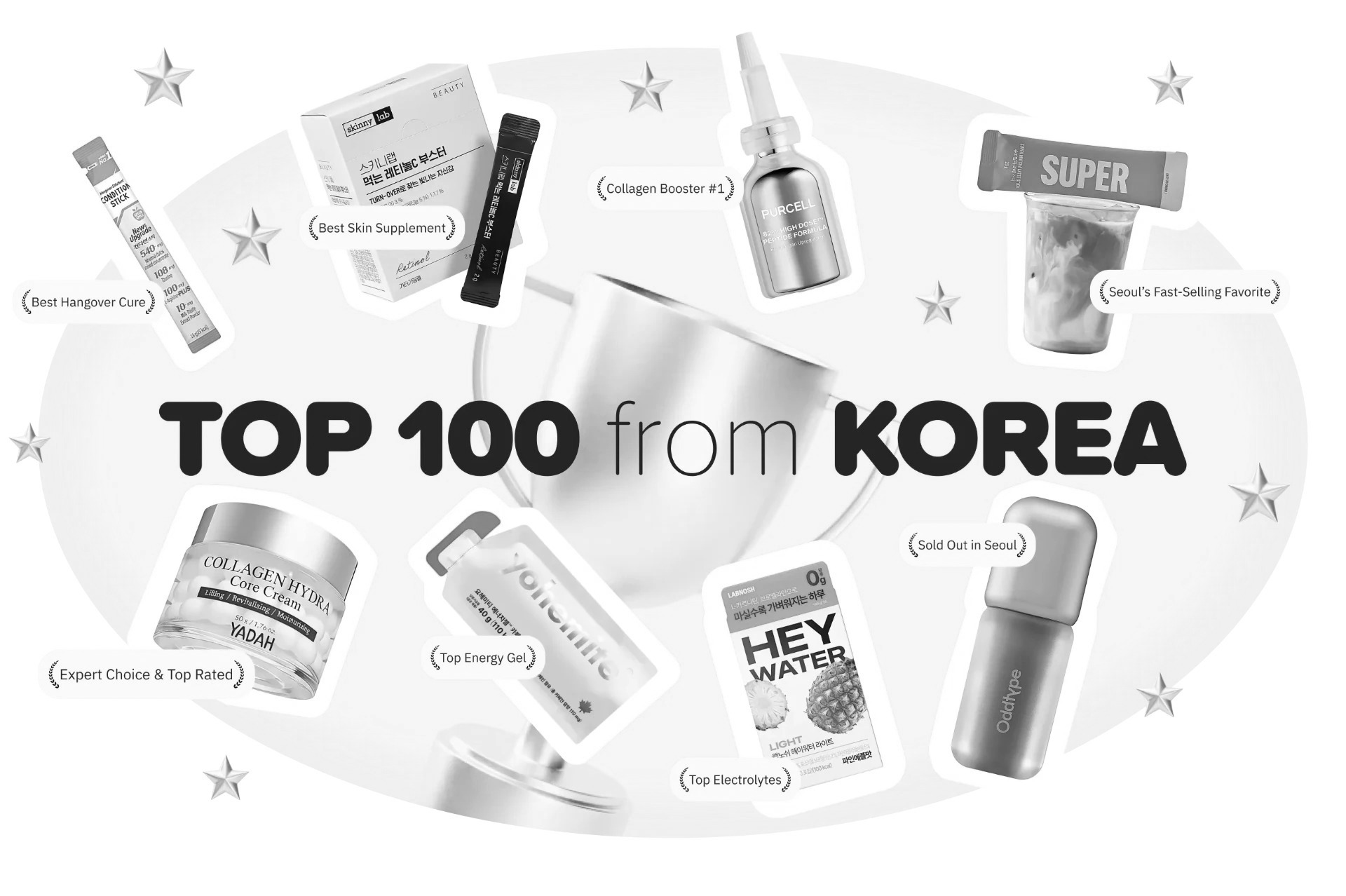
With the new platform Seoul Selection, he aims to bring the top 100 brands from Korea to Scandinavia.
– A great focus for us is, of course, how we source companies and how we decide who gets to be on the platform. We look at legacy, the popularity of the products in Korea, and levels of innovation, so that we can also capture the rising stars in Korea. How we would like to sell each product is as if it were the only product we had on the platform, so that each product is a standalone product, having just one top product from Korea for each product, and that that would make sense.
How far have you come with these 100 brands? How many are available?
– I think we have 100 products on the platform, but the list will change as times goes, as new companies are launched in Korea, as new products are being introduced in portfolios of companies. But we feel we have a solid core of companies that represent a really exciting base of products from Korea.
How willing are they to export? Are there certain brands that only want to be available in Korea?
– From a business standpoint, they’re of course really eager to capture the interest global consumers have in Korea. Some aspects of why they haven’t been exported to Europe before have a lot to do with regulations. Exporting supplements or foods to Europe from Korea is quite difficult. The cosmetics regulations in Korea and in Europe are about the same, so importing cosmetics from Korea is fairly straightforward. Exporting food supplements is not straightforward. That, I think, could be one reason why European entrepreneurs have not taken the plunge to introduce Korean companies within these segments.
You’ve only just launched, but have you noticed anything in terms of consumer behaviour on the webshop?
– We see that consumers are really excited about our offering because their baskets range from energy gummies to our ‘hangover products’ and all the way to inner beauty products. I think they get curious about the assortment.
With Seoul Selection, you also attended in-cosmetics Korea. What did you notice from your days there?
– They are still punching above their weight in terms of innovation – and their weight is not small. We were giving some talks with regards to Seoul Selection, and it was plenty of excitement from the local market in terms of us speaking about trends regarding inner beauty products in Europe. So they’re excited about the prospects of introducing Korean products to Europe.
– From the ingredients perspective, whether it’s PDRN or exosomes, these are still strong trends. For me, perhaps the strongest takeaway from both in-cosmetics and, especially maybe from Intercharm, which is the trade fair in the next hall for final brands, is formats and how they are delivering the product. I think that’s quite exciting. Korea is really strong, not only on ingredients and formulation, but on how to deliver formats and packaging. One example: haircare brands with a specific applicator to increase delivery of ingredients to the scalp. Very exciting!
And lastly, except for supplements, what will be the hottest thing coming out of Korea in 2027 – and why?
– My bet is clinic-to-home beauty. Korea’s advanced dermatology and aesthetic clinic culture is increasingly translating into at-home beauty devices and skincare featuring ingredients such as PDRN, exosomes and peptides, Koo Hjalmarsson predicts. He adds:
– Consumers want professional results without the cost or downtime of clinic treatments. Korea is uniquely positioned at the intersection of dermatology, technology and consumer beauty. I also see scalp care becoming a major category, particularly as brands increasingly treat the scalp like facial skin.

David Koo Hjalmarsson’s extra industry insights
– First, look beyond ingredients. Korea’s competitive advantage is also in formats, delivery systems, applicators and packaging.
– Second, don’t underestimate regulation. EU requirements for supplements are considerably more complex than for cosmetics. Companies willing to invest in navigating these requirements early could gain a significant advantage.
– Finally, look to Korea as an early indicator of future trends. PDRN and exosomes are good examples of ingredients that attracted attention in Korea before gaining traction in Europe.
Words: Johan Magnusson