
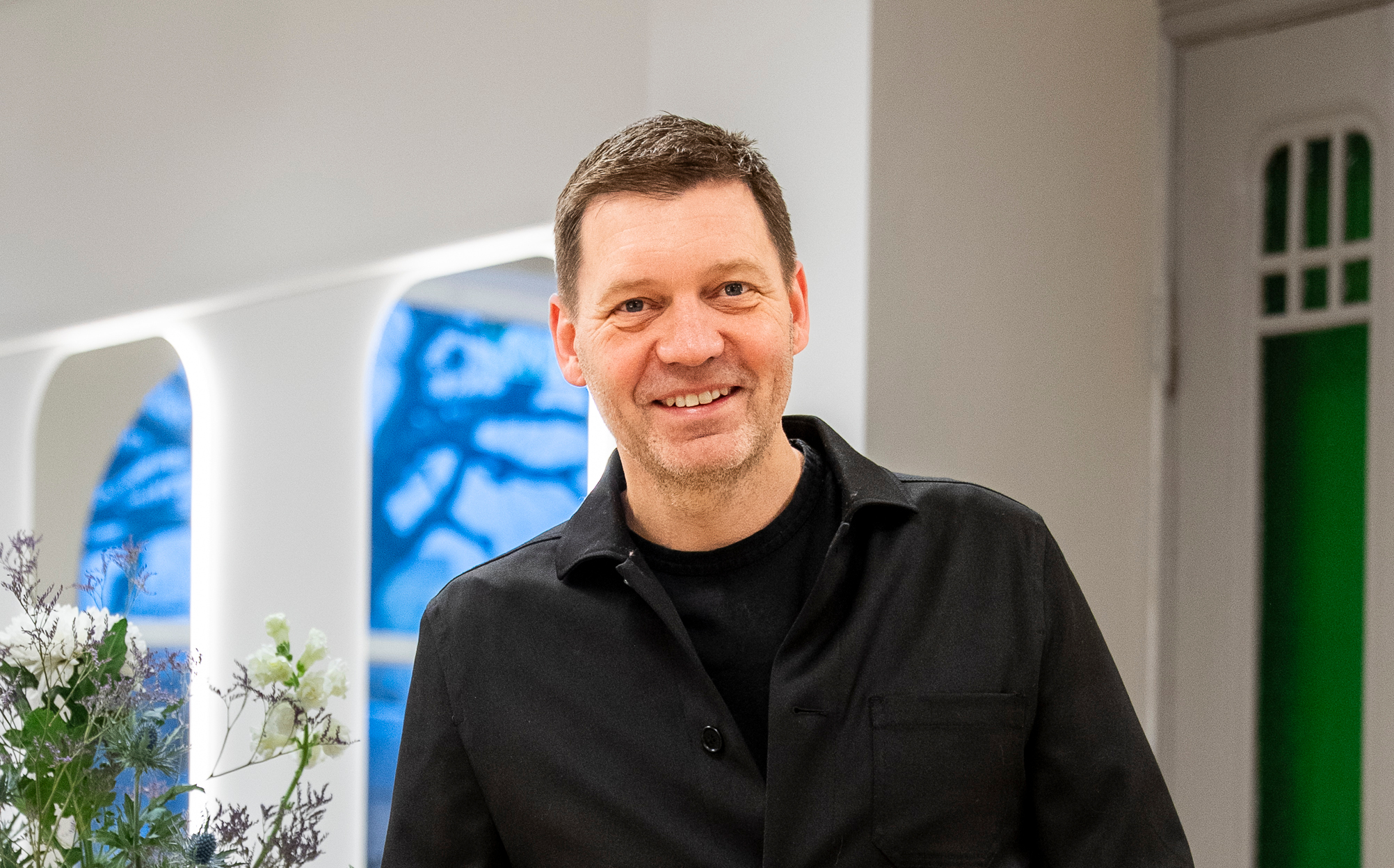
For Headon’s first-ever trend report, the Swedish hair salon chain interviewed 12 of its professional hairdressers, as well as clients and a partner salon in Berlin. We asked the founder to share what he learned from creating it: “When clients arrive with AI-generated images, the consultation is becoming a product.”
According to Danielsson, in terms of trends, the report shows that the hair brand is ahead of the clients all the time.
– The things that have been new and that we have moved on from, he says, are what most of the clients are adapting to, so they are almost a year behind all the time. Therefore, it’s so important to involve them and discuss with them, so that we also meet their expectations.
– The client is looking for value per visit rather than frequency. They come in less often, but they expect more each time: a cut that grows out well, a colour that lasts, and advice they can take home. Another takeaway is how similar the conversations were in Malmö and Berlin, when we received the input from our partner salon there. The trends travel fast now, and the salon floor looks more and more alike across Europe.
What have you yourself learned from creating it?
– That we have been sitting on a lot of knowledge without collecting it. Hairdressers talk to clients all day, every day, and that is real insight into what people want, what worries them and what they’re willing to pay for. Putting it down on paper made us listen more carefully to our clients and to each other. It also showed us how valuable it is to put the professional view and the client view side by side. They don’t always agree, and that’s where it gets interesting.
What about consumer behaviour?
– We can see how they are changing. For hairstyles, the trend is that you don’t need to go to the hairdresser as often as you used to, which also depends on the economy. As I touched upon, clients today demand that their colour lasts at least three months. But it’s not uncommon for clients who used to get their hair coloured every third month to go only twice a year now. So, we work with techniques where we don’t have hard lines, where we soften the lines so we can extend the time between visits.
– That’s also reflected in haircuts. We don’t see so many clippers on men’s haircuts, but more scissors, knives, and razors. We also see softer cuts and that bangs are coming back in different shapes. You want to have a fringe, but it still needs to be suitable for different styles, and we see and talk about almost exactly the same things in Berlin.
– Also, consumers are now coming in with AI-generated haircuts. They create images of themselves with different haircuts before they come to the salon and say, ‘I want to have this.’ And it’s AI-made. That can be good as a reference, but it can also be difficult to achieve. Hair is hair.
Hair is hair. And the expectations can be slightly unrealistic.
– Unrealistic. And overrated. That also means we need to talk more with the clients and make the experience more personal, aiming to tailor-make every cut to each of the clients.
– For products, Danielsson continues, the trend is that they are multi-use products that can almost fit it all. For the right product, you’re willing to spend money on it.
– One huge trend, of course, is in scalp health, as consumers are starting to understand that it comes from the scalp out to the ends.
The trend report, Danielsson explains, is for the end consumer, for journalists, and also for buyers.
– I think that’s also what’s a bit unique about this trend report, that it’s for a lot of different people, looking at things both from the consumer’s perspective and ours as professionals.
What do you see coming in terms of trends?
– I think we’ll talk even more about scalp and hair health, and about longevity: hair that is cared for over time, not just styled for the day. We’ll probably also see AI become a natural part of the consultation, not as something that replaces the hairdresser but as a starting point for the conversation. The real trends start behind the chair, so that’s where we’ll keep listening.
For your product division, you just relaunched the Calm line and new additions to it.
– Yes, it’s a product that we have worked on for such a long time. We have tested it on so many people, used it in our salons for months, and received so much feedback from our clients.
And you maintain the partnership with retailer Lyko.
– Yes. Today, we have a well-established partnership that works both ways. They sell our products in all their stores and through their e-commerce platform and we help them educate other hairdressers through their professional line. In hair colouring, we provide education in cutting and colouring.

Henrik Danielsson’s extra industry insights
– First, the professionals are your early warning system. What hairdressers are moving away from today is often what consumers adopt a year later. If you want to understand where the market is heading, talk to the people behind the chair, not just the end consumer.
– Second, fewer salon visits don’t have to mean less business. The value moves into the consultation, into techniques that grow out softly, and into products the client uses at home between visits. Brands and salons that design for that ‘time between visits’ will win.
– Third, the consultation is becoming a product. When clients arrive with AI-generated images, the hairdresser’s job is partly to translate expectations into what is realistic for their hair. That requires time, skill and trust, and it’s something the industry should train for.
– Fourth, consumers are willing to pay for the right product, but they want fewer products that do more. Multi-use and scalp care are not niches anymore.
– And finally, partnerships with retail can strengthen professional haircare rather than dilute it, if education is part of the deal.
Words: Johan Magnusson