
Swedish researchers looked at how users talk about and visually present themselves through these technologies, and share brands’ responsibilities: “If companies genuinely want to promote confidence and inclusivity, they need to move beyond simply encouraging self-acceptance while still reinforcing the same appearance-focused culture.”
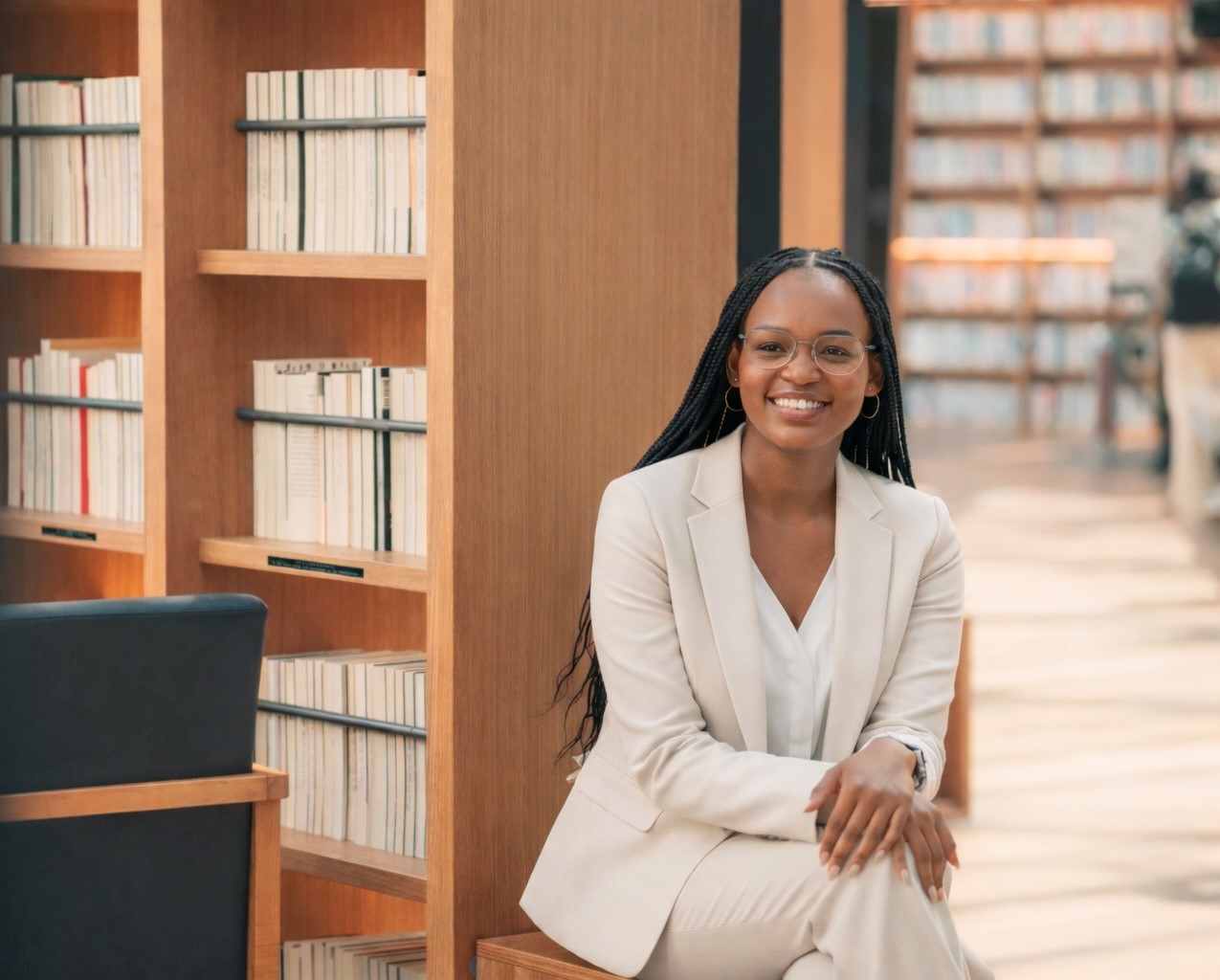
Lame Kenalemang-Palm holds a PhD in Media and Communication Studies and is currently employed as a senior lecturer in Journalism at Stockholm University. Together with Göran Eriksson, Professor in Journalism at Örebro University, she’s conducted a study to examine how women engage with beauty filters on TikTok—and how these filters shape ideas about beauty, authenticity, and self-presentation online.
– Using a multimodal critical discourse analysis of 67 TikTok videos tagged with #beautyfilters, we explored how users talk about and visually present themselves through these technologies, she explains, continuing,
– My interest in this topic developed from my doctoral dissertation, where I examined how older women are represented in cosmetic advertising. During that research, I noticed that many cosmetic companies encourage women to assess their faces for flaws through so-called cosmetic apps. In previous work that I published together with Göran, we showed how these apps ask users to submit selfies that are then analysed, rated, and evaluated. Based on this evaluation, the apps provide personalised product recommendations intended to ‘fix’ perceived imperfections. In our analysis, we argued that such technologies encourage women to closely scrutinise their facial features and reinforce the idea that women’s faces are always in need of improvement.
– This led us to become interested in the broader ways in which women are encouraged to ‘fix’ their faces—whether through cosmetic procedures, beauty products, or increasingly through digital technologies such as filters. Social media platforms like TikTok and Instagram have become central spaces where these practices take place. I was particularly fascinated by TikTok’s beauty filters, which can appear extremely realistic and sometimes remain active even when users move their hands across their faces. Given TikTok’s growing popularity—especially among younger audiences—it seemed like an important platform to study in order to understand how digital beauty standards are produced and circulated today.

Definitely. And what can you say about the results?
– The study shows that TikTok users engage with beauty filters in several different ways, which together reveal how digital beauty technologies shape contemporary beauty norms and practices of self-presentation. First, many users employ beauty filters to create what they perceive as a more attractive or ‘perfect’ version of their face. In these videos, filters enhance features such as skin smoothness, lip fullness, and facial symmetry. Users often express amazement or excitement when seeing the filtered version of themselves and describe the transformation as impressive or even shocking. Despite sometimes acknowledging how powerful or unrealistic these filters are, they still normalise their use and present them as tools that help improve one’s appearance. Second, a number of videos take the form of beauty tutorials in which creators attempt to replicate the appearance produced by filters using makeup techniques and specific products. These videos often follow a transformation narrative in which a natural face gradually becomes more stylised and perfected. Even when creators recognise that filters produce unrealistic beauty ideals, they still use them as visual templates for how makeup should look. In this way, filters become a benchmark against which women evaluate their own appearance.
– Finally, some users challenge the use of beauty filters and promote authenticity in self-presentation. These creators deliberately show their unfiltered faces and encourage viewers, particularly young women, to embrace their natural appearance. While such videos appear to resist the pressures of digital perfection, they do not necessarily reject beauty culture entirely. Instead, they often focus specifically on the psychological effects of filters, such as the pressure they can create to conform to unrealistic standards. Overall, the findings suggest that beauty filters contribute to an environment in which women frequently compare their real appearance not only with others but also with idealised digital versions of themselves.
What surprised you the most?
– How normalised the use of beauty filters has become, says Kenalemang-Palm. Today, many people rarely post photos or videos of themselves unless they feel they look ‘perfect’ enough. In several of the videos we analysed, users explicitly stated that they use filters to hide perceived imperfections. This suggests that we are increasingly living in a culture that is highly focused on appearance. Filters allow users to instantly modify their faces and present a more attractive or polished version of themselves. Over time, this practice can encourage people to compare their natural appearance not only with others but also with digitally enhanced versions of themselves. In my view, this contributes to a culture of intensified self-surveillance in which individuals, particularly women, feel pressure to constantly monitor and improve their appearance.
What are brands’ responsibilities here?
– Brands have an important responsibility in shaping the messages that circulate about beauty. In some of the examples we analysed, creators were involved in paid partnerships with Dove through initiatives such as #TurnYourBack, which encourage users to reject beauty filters and embrace their natural appearance. These campaigns aim to challenge unrealistic beauty standards and promote self-confidence, particularly among young women. However, research has also shown that even when brands position themselves as advocates of authenticity or empowerment, they still operate within a commercial system that encourages consumption. Beauty campaigns often continue to promote products while simultaneously claiming to challenge beauty ideals. For this reason, I think brands should take a broader responsibility by critically reflecting on how their messaging contributes to beauty norms. If companies genuinely want to promote confidence and inclusivity, they need to move beyond simply encouraging self-acceptance while still reinforcing the same appearance-focused culture.
Kenalemang Palm explains that some of the videos in the dataset offered more constructive messages.
– Certain creators remind viewers that what they see on social media is often curated and not an accurate reflection of reality. They encourage audiences, particularly young women, to approach online images critically and to recognise that many of them are edited or enhanced through filters. These creators also emphasise that self-worth should not be measured against the beauty standards often presented online. Instead, they promote the idea that beauty exists in many forms and that individuals should feel confident in their natural appearance.
Have you reached out to TikTok to hear their opinion about this as well?
– No, we have not contacted them directly regarding this research. However, this is certainly something that could be interesting to explore in future research, particularly in terms of how platforms themselves view the role of beauty filters and their potential social impact.
What else have you learned from the research?
– The importance of being mindful of messaging. Beauty technologies, whether apps, filters, or products, can shape how people perceive themselves and their appearance. Brands and industry professionals should therefore carefully consider how their campaigns frame beauty, improvement, and self-perception. Messaging that encourages diversity and critical awareness of digital manipulation can help counter some of the pressures created by idealised online images. Ultimately, the beauty industry has a powerful influence in shaping cultural ideas about appearance, and that influence comes with responsibility. But it is not only on them but us as a society.
And now, what’s next?
– Looking ahead, it would also be interesting to examine whether young men and men increasingly use beauty filters as well, and how the messaging around male appearance might differ, Kenalemang shares. She adds:
– Also, one phenomenon that continues to fascinate me is the growing cultural fixation on beauty in everyday life. For example, during my two-hour morning train rides to Stockholm for work, I have increasingly noticed what I would call a culture of ‘makeup on the go.’Women of different ages often apply multi-step makeup routines while travelling. I first noticed a similar practice while spending time in Seoul, and it made me reflect on how beauty routines are becoming integrated into everyday mobility and daily life. It would be interesting to study this further and explore what it might say about contemporary beauty culture.