
100 innovations that can transform beauty, #2: Swedish startup pioneers the next generation of recycling, now aiming to commercialise the technology together with industrial partners.
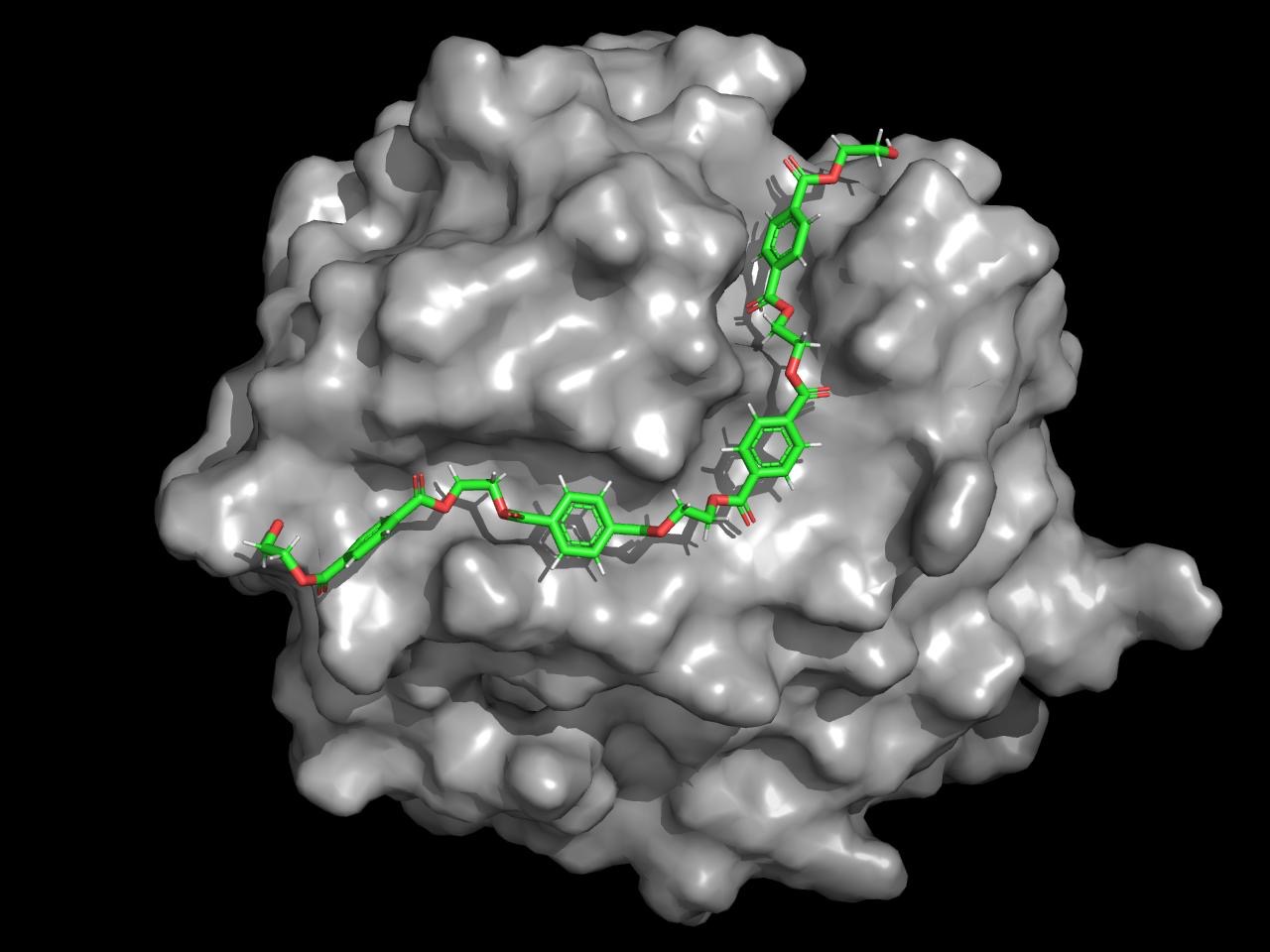
Founded in the city of Lund, Swedish biotechnology company Cyclezyme is developing enzymes for recycling plastics, primarily PET (polyethylene theraphalate) or polyester.
– Our technology enables the breakdown of polyester materials into their original building blocks under mild conditions; low temperature and pressure, co-founder and CEO Peter Falck explains. The goal is to enable the recycling of plastic streams that are difficult to handle with traditional methods, such as mechanical recycling. We focus on developing and optimising the enzymatic process together with different industrial partners.
If we take the different recycling processes, it seems that mechanical recycling of plastic is quite widespread, chemical recycling is coming soon, while enzymatic is still in lab or pilot scale.
– Yes, that’s true. Mechanical recycling is currently the dominant method, but has a major limitation that it works well only for clean and homogeneous plastic streams. Chemical recycling is developing rapidly, and several large-scale initiatives are underway to take care of more complex waste. Enzymatic recycling is generally earlier in its development, with most actors operating at lab or pilot scale. That is also where we are today, working to move the technology step by step toward larger scale.
One similar player is Carbios. Have you seen them?
– Yes, we are familiar with them. They are also developing enzymatic recycling of PET. While both companies operate within enzymatic depolymerisation, the specific technologies and approaches differ. We focus on our own proprietary platform for enzyme development and process optimisation. One difference is that we try to limit the pre-treatments only using plastic, water, and enzyme. This limit the energy use in the process and lower the CAPEX.
You’ve just completed a prestudy. What have you looked at?
– Together with a Nordic recycling partner, we evaluated how our enzymatic process performs on real polyester-based plastic streams provided by our partner. The results were positive enough for us and our partner to move forward in discussions about the next development phase for a larger project.
And what is that?
– To continue scaling the process and deepen collaboration with industrial partners. This includes further technical validation and preparation for larger-scale development.
Do you aim to go to market as well?
– Yes, our ambition is to commercialise the technology together with industrial partners. That requires further scale-up, process validation, and integration into existing recycling infrastructure. The primary target group is companies handling polyester-based materials, including packaging and textile-related applications.

Will the future of recycling be mechanical, chemical or enzymatic? Or a mix?
– Most likely a mix. Different recycling technologies are suited for different types of plastic streams. Mechanical recycling will continue to play a key role, while chemical and enzymatic methods can complement it by handling more complex or degraded materials, Falck shares. He adds:
– Plastic recycling is a complex challenge that requires multiple solutions working together. We see enzymatic recycling as one important piece of that puzzle, particularly for materials that are currently difficult to recycle efficiently like low-grade PET waste streams.
100 innovations that can transform beauty, #1: Watch this space: a next-gen refill solution is here