
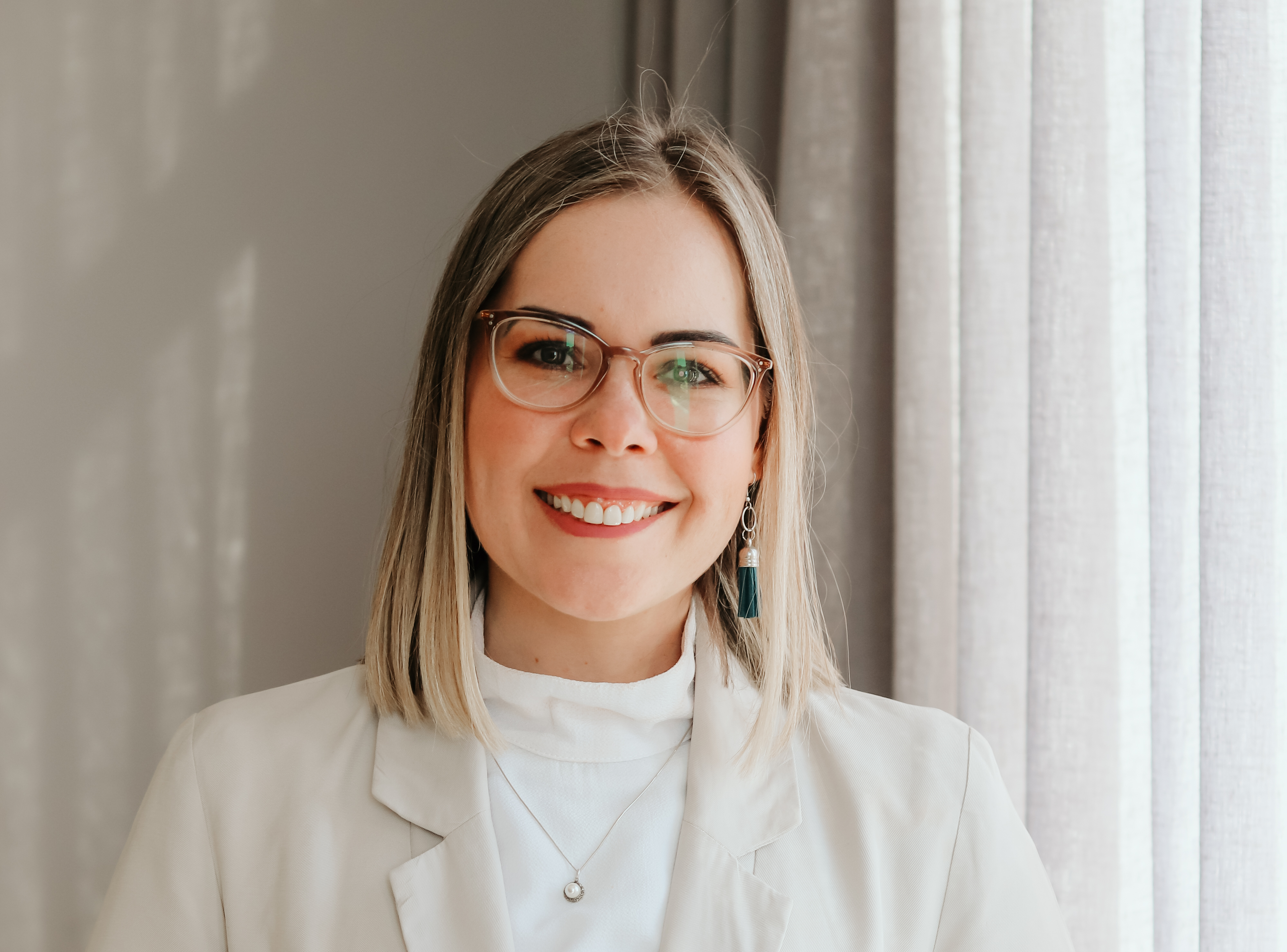
After the sudden, tragic loss of founder Trevor Steyn, Esse Skincare’s Lead Education Specialist Alicia Stander explains how to proceed, utilising his trailblazing approach to the skincare industry.
Stander describes an incredibly sad time for everyone involved with Esse, mourning the loss of Trevor Steyn on November 1 last year.
– It has been a whirlwind, she says, but it is incredible to see how the team rallied together to ensure we don’t skip a beat and that Trevor’s vision and legacy live on. It’s hard to overstate the significance of Trevor’s contribution, not just to Esse but to the skincare industry as a whole. His visionary leadership and tireless dedication to creating products that genuinely benefit both the skin and the microbiome have left an indelible mark. The strength and unity the team has shown during this time is a testament to his influence, and we are fully committed to continuing the work he started.
Yes, what are the plans ahead for the company?
– We are incredibly fortunate to have had Trevor’s guidance in shaping the company’s vision and mission. His input has set a clear direction for us, and the team he built is more than capable of carrying it forward. With a deep commitment to remaking the skincare industry, we continue to focus on Trevor’s core values of scientific integrity, sustainability, and challenging conventional practices.
Your latest product, Live Probiotic Mist, was launched right before his passing, and it’s fair to say that it’s nothing short of unique. How’d you describe it?
– We are very excited about this innovation! This is our first which uses live probiotics in an aqueous solution. If you are familiar with all our other live probiotic products, you would realise that they are all in an oil formulation. Those are great formulations, but some individuals might find the oil-base challenging. Formulating in oil is also costly. So, by using smart formulation principles, we were able to overcome multiple consumer obstacles, introducing a live probiotic product in an aqueous solution at an attractive price point. The mist can be incorporated into any routine and used twice daily to instantly boost skin hydration. It’s not only more accessible due to its aqueous formulation but also allows us to offer a product that enhances the skin’s natural resilience and hydration—critical factors for long-term skin health. It’s a product that anyone can easily integrate into their daily routine, offering instant hydration while supporting the skin’s microbiome.

Among Esse’s end consumers, Stander notices a clear shift away from harsh actives and over-exfoliation.
– They’re more barrier-aware than ever, and they’re actively looking for products that support rather than stress the skin. That’s why microbiome-safe, barrier-repairing formulas are resonating—they align with this new, gentler way of caring for the skin. Consumers are also increasingly aware that quick fixes can come at a cost. What we’re seeing is a demand for solutions that deliver results and visible improvements while strengthening the skin’s underlying biology—which is exactly where a microbiome-focused approach fits in. This, along with a move towards health-first beauty, is driving increased consumer interest in live biotherapeutics and microbiome-focused skincare.
What do you predict will be the next big thing? If we were to meet in a year, what would we talk about?
– That’s tricky, since there is still so much to learn about the microbiome. It will be a global trend for many years to come. With this trend in microbiome skincare, we will be talking about live biotherapeutics moving from niche science into the broader skincare conversation. As regulatory pathways open and clinical data grow, consumers will increasingly expect skincare to work with living microbes, not just ingredients.
– With the new EU regulations in place, I also think we will see a correction away from the overuse of retinoids and acids, moving more towards strengthening the skin’s ecology with biologically intelligent approaches to treatments, rather than disrupting the ecosystem. We know inflammation and inflammatory skin concerns remain a significant challenge globally. Microbiome science sits right at the heart of this shift, and strategies to support the microbiome, including the role of vitamin D in skin, will remain a key area of focus.
You’re also teaming up with academia for groundbreaking research projects. Which one are you the most excited about now?
– The work we’re doing with academic partners to decode what microbiome sequencing really means for skin health. There’s a massive amount of data available, but the real breakthrough comes from analysing patterns—understanding which microbial shifts are meaningful, predictive, or clinically relevant.
– We’re also collaborating on research examining how aesthetic procedures affect the microbiome. It’s an area with almost no existing research, and the findings could fundamentally change how the industry approaches pre- and post-treatment care.
– We have also spent a lot of time looking at 7-DHC. The cascade of the molecule into vitamin D. This is very exciting research, since we know how closely vitamin D deficiency is related to a wide range of skin and general health concerns. There is significant potential to optimise skin with vitamin D.
Before his passing, Trevor Steyn shared some market insights on one of his recent podcasts. This includes that most “probiotic skincare” products don’t contain live probiotics, so consumers don’t get the promised results.
– This means trust erodes, and eventually the brand exits the market, says Stander. When ‘probiotic’ products don’t actually contain live microbes, they fail to deliver meaningful results. Consumers quickly realise the promises don’t match the performance, they don’t repurchase, and those brands ultimately disappear from the category.
– We also see that clean beauty claims are being challenged. Things like merely removing sulfates or parabens don’t automatically improve safety. Because ‘clean beauty’ lacks a universal definition and often relies on ‘free-from’ messaging, swapped-in alternative ingredients can be equally or more irritating or risky, exposing flaws in fear-based marketing. Consumers are more educated than ever and are starting to challenge and push back against these claims.
– Ultimately, we believe the industry is heading into a period of necessary reinvention. The science of skin biology is advancing so quickly that many of the tools and ingredients we’ve relied on for years simply don’t reflect the world we now understand. This isn’t about criticising the past—it’s about recognising that we’re working with far more sophisticated knowledge today. Professionals and brands who embrace this shift will help reshape the industry around solutions that are biologically intelligent, long-term and aligned with skin health at its most fundamental level. That’s where the real change is coming.
– For us, the priority now is to continue Trevor’s legacy—his trailblazing approach to the skincare industry and the pioneering work he did as the ‘father of probiotic skincare.’ He challenged long-held norms with scientific curiosity and courage, and our commitment is to carry that legacy forward in the way we innovate and shape the future of the category.