
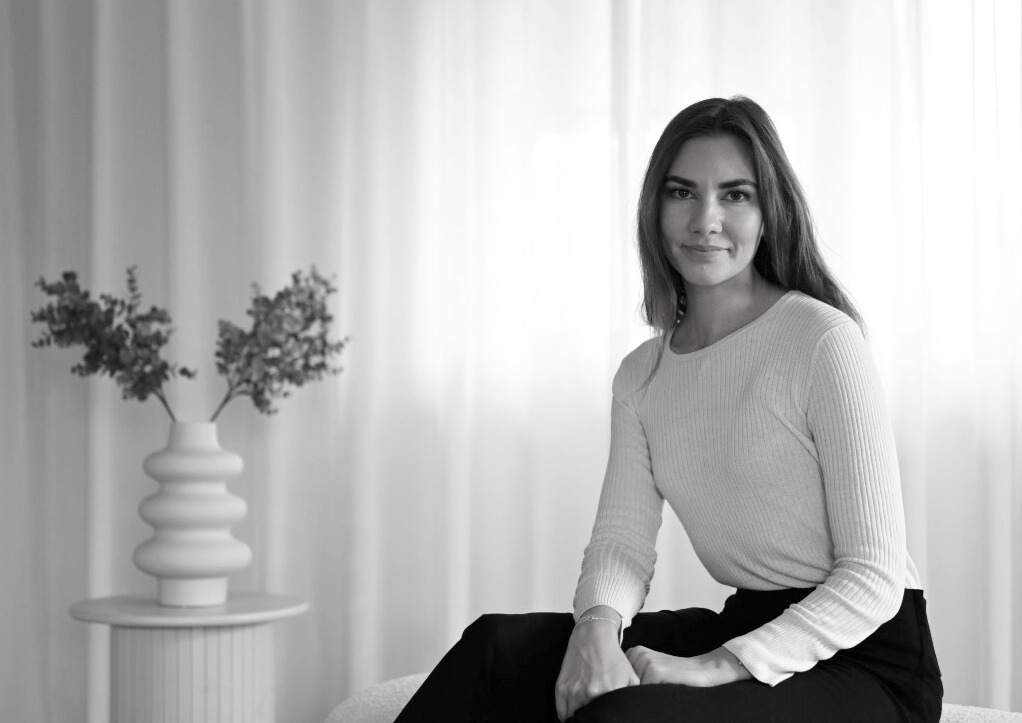
In the wake of booming consumer interest, the entrepreneur shares the trends set to shape the next generation of oral care.
Etinour is an anagram of the word routine and is all about rewriting one of the most important yet overlooked daily habits: oral care.
– Developed together with dentists, we create effective and gentle formulations that support a healthy, bright smile while strengthening teeth and overall oral health, says Söderholm. With Scandinavian minimal design, recyclable materials, and convenient subscription options, we make great oral care easy and enjoyable. Our mission is to inspire and educate people to see oral health as a cornersto ne of wellbeing and confidence.
The brand’s latest launch is the Essential Whitening & Remineralizing Kit, an at-home treatment Made in Sweden and designed to whiten teeth while strengthening them.
– It includes shapeable mouth trays for an individual fit, a peroxide-free whitening gel, and a remineralising serum. Simply shape the trays, fill with gel, leave for 30–40 minutes, rinse, and brush on the serum. Repeat for 10 days, or whenever you want extra care.
– It can brighten your teeth up to 8 shades without causing sensitivity. At the same time, the serum strengthens enamel and supports overall oral health. Unlike many traditional whitening options, it’s gentle, effective, and safe — a treatment you can trust to care for your teeth while achieving noticeable results.
– I developed this kit from personal experience: most at-home whitening options either caused pain, enamel damage, or felt unreliable. By working with dentists we created a safe, effective, and accessible way to brighten your smile while protecting your teeth.
What was the most challenging when developing it?
– The biggest one was achieving the desired whitening results with relatively new ingredients like PAP , while keeping the treatment gentle and safe. It took many iterations and careful testing before it’s just right. Early customer feedback was invaluable: our first version didn’t whiten enough, so we went back to the drawing board multiple times.
– Getting the flavour right was also tricky — PAP is naturally bitter, so we had to find the right balance of mint to mask it without being overwhelming or irritating.
– On the other hand, the serum, an entirely new concept for many customers, was a clear hit from the start — proving that people are more open to innovative oral care solutions than you might expect.

According to Söderholm, even though the major players still dominate grocery shelves and pharmacies, the oral care market is evolving fast.
– Much of the growth is now happening online, where consumers are drawn to greater choice, convenience, and storytelling. At the same time, new business models—like subscription-based dental clinics and product refills—are changing how people approach their daily routines, making oral care feel more personal and engaging, she says, continuing,
– Consumer interest is also booming. People are investing more in their smile—whitening, aligners, veneers—echoing trends long established in the US and Brazil but only recently gaining traction in Scandinavia. Parallel to this, awareness around oral health and longevity is growing. Consumers are exploring the oral microbiome, supplements, and new ways to support overall wellbeing from the mouth outward.
– Much of the product innovation is driven by younger, more agile brands. That brings excitement and creativity — but also challenges. Some popular trends, like whitening powders or toothpaste tablets, can be overly abrasive to enamel. And misinformation, such as the anti-fluoride movement, spreads quickly online, despite decades of evidence showing fluoride’s safety and effectiveness when used correctly.
With this growing consumer interest, what are they looking for?
– They are thinking beyond basic brushing and flossing. Many are looking for personalised products that address specific needs, like sensitivity, whitening, or breath control. Daily routines are becoming more elaborate, with tongue scrapers, oral microbiome supplements, water flossers, and multi-step care gaining traction.
– At the same time, people want their routines to feel enjoyable and aspirational. Interesting flavours, such as cookie dough; textures, for instance mouthwash gel, and new packaging, like toothpaste pumps are increasingly valued. Cosmetic considerations also play a role, with whitening and aligners becoming part of a broader beauty mindset.
– Consumers are seeking products that minimise environmental impact, from waterless toothpaste tablets to refillable or recyclable packaging. Beyond materials, they’re curious about the story behind what they buy: how ingredients are sourced, how products are made, and whether brands are taking responsibility for their footprint.
What else do you follow in the sector?
– How oral care is starting to intersect with health and technology. The oral microbiome is getting a lot of attention—while the research is still developing, it’s clear that oral bacteria can travel beyond the mouth and affect everything from cardiovascular health to inflammation in the body.
– We’re already seeing at-home saliva tests that detect oral imbalances, and even supplements with probiotics designed for mouth health. The science isn’t fully settled yet, but it shows that people are ready to take a more holistic approach to oral care.
– On the tech side, smart toothbrushes and AI functionality are evolving, but the real challenge is making them simple enough for people to actually use. If it feels too complicated, it defeats the purpose. The most exciting innovations, I think, will be the ones that make daily routines easier and more engaging—without adding friction.
Agnes Söderholm’s 6 oral care hacks
– Some things you do to your teeth can’t be undone, she says. Once enamel or gums wear down, they don’t grow back — so prevention really is everything. The good news? Small, consistent habits make the biggest difference.
Brush before breakfast. Overnight, bacteria build up and form a sticky biofilm. If you eat before brushing, that film traps acids and stains against your enamel.
Wait at least 30 minutes after eating before brushing. Especially after acidic foods/drinks like coffee and energy drinks — brushing too soon can brush the softened enamel away.
Bad breath hack: Lick your wrist, let it dry, and smell. If it’s not fresh, scrape your tongue and follow up with toothpaste with zinc, which can help neutralise sulfur compounds.
Skip cheap whitening toothpastes. Many rely on abrasive ingredients that wear down enamel and create long-term sensitivity.
Watch your snacking habits. Every time you eat or drink, except water, bacteria feed on sugars and release acids. Try to limit it to a five times per day to give your teeth time to recover.
Ask your dental hygienist where you miss when brushing. Everyone has blind spots — literally!