
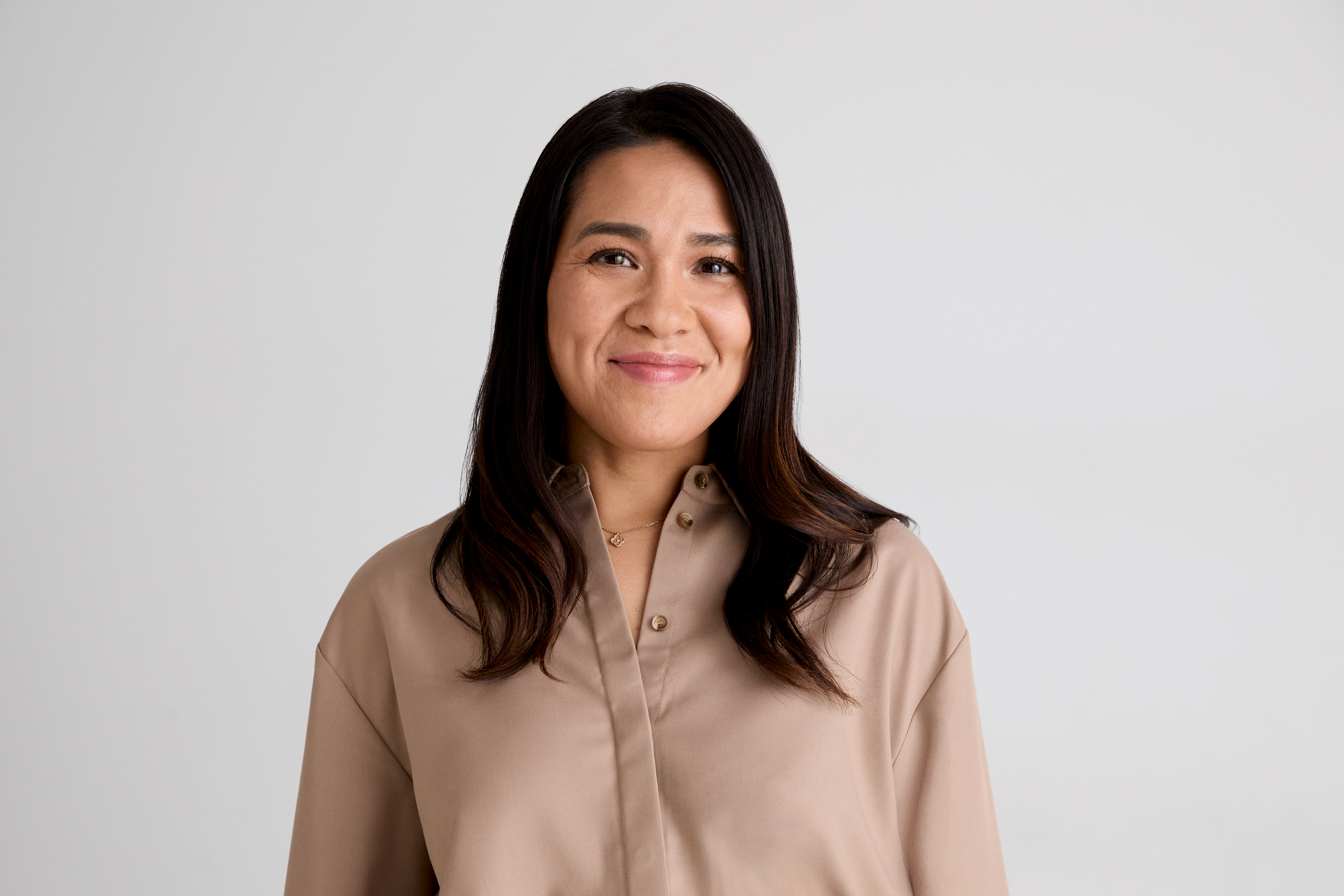
Virginie Duigou, Head of Beauty Buying, Zalando, shares the key takeaways from the e-tailer’s first-ever data-driven beauty report.
Zalando just released Beauty in Brief, its first-ever data-driven beauty report, designed to uncover the broader consumer shifts shaping today’s beauty landscape.
– It explores the cultural forces behind these changes and how they’re translating into this year’s most exciting micro-trends, Virginie Duigou explains. What makes it truly unique is the way it combines cultural insight with real-time consumer data. Our in-house beauty buying experts teamed up with Zalando’s Cultural Research team to identify 200 key search terms linked to emerging trends, products and brands. We then ran these terms through Zalando’s Trend Spotter, a tool powered by the behaviour of over 52 million customers across Europe, to analyse demand and track rising interest over a six-month period.
– The result is a one-of-a-kind report that reflects not only what’s trending but why, offering a deeper look into the intersection of culture, commerce and beauty.
How come you created it?
– We developed it as part of Zalando’s ongoing lifestyle expansion, a key pillar of our Group Strategy. Our goal was to better understand and share the evolving preferences of beauty consumers, while reinforcing Zalando as a destination not just for fashion but for beauty as well. We already know that 76% of customers on our platform shop across categories.
– By uncovering the cultural forces and customer behaviours shaping beauty today, the report allows us to connect more meaningfully with beauty enthusiasts across Europe. It helps us highlight the depth and diversity of our beauty offering, build trust and position Zalando as a credible and inspiring voice in the beauty space.
– But this isn’t just about insight for insight’s sake. We use the results to inform everything from our product curation to our storytelling, blending inspiration, entertainment, and commerce to transform how people discover and engage with beauty on our platform. By tapping into key cultural patterns, we aim to anticipate what customers will want next, and support them in feeling both calmer and more confident in their choices.
And what are the key takeaways?
– Our thorough analysis of data and extensive cultural research allowed us to identify eight core emerging trends, including Nervous System Regulation, Lazy Routines, Sweat-Compatible Systems for Menopause and 90s Minimalism, as well as the leading, overarching theme—balance—which suggests that beauty routines are shifting toward restorative practices that cultivate confidence from the inside out, Duigou shares. She continues:
– The micro trends predicted to inspire customers this year are influenced by wider cultural shifts, including the collective desire for a calmer and more balanced life. The report reveals how digital fatigue and increasing stress is changing the role of beauty today. From stress-relieving products to biohacked skincare and effortless beauty routines, the beauty industry is converging with wellness in new ways. In 2025, beauty is no longer just about aesthetics – it’s about creating balance.
– While those needing an antidote to overstimulation are seeking beauty products that support Nervous System Regulation, people with packed-out summer schedules will be finding more ways to cut corners with Lazy Routines.
– Makeup is also becoming more functional for many consumers as they seek Life-Proof Formulas. And as women become increasingly more open about needing Sweat-Compatible Systems for Menopause—especially during summer—many are looking for products that can hold up during hot flushes.
– With nostalgic trends continuing to resurge in culture, retro beauty regimens continue to rise too, with 90s Minimalism makeup offering a sense of comfort and control. Bedtime Biohacking Routines are also booming, with many creating Beauty Sleep rituals that optimise their natural recovery at night.

It’s such a saturated beauty market right now. What are your keys to stand out?
– You’re absolutely right, the beauty industry is more competitive than ever. But that also means there’s a huge opportunity for brands that can offer something truly relevant, seamless and inspiring. For Zalando, standing out in the Beauty category comes down to three key strengths:
A Curated, Credible Assortment
– We focus on offering a thoughtful and diverse range of beauty products, from everyday essentials to cutting-edge innovations, across all categories, price points and customer needs. Whether it’s cult-favourite brands, dermatologist-backed skincare or emerging indie labels, our assortment is built on quality and trust.
Deep Customer Insight
– With over 52 million active customers across Europe, we have a unique ability to understand what beauty consumers are searching for, not just what they’re buying, but what’s inspiring them. Tools like Trend Spotter and reports like Beauty in Brief allow us to respond quickly to emerging behaviours and cultural shifts, meaning we can offer what people want before it becomes mainstream.
Blending Inspiration, Commerce & Convenience
– Whether customers come to browse, discover, learn, or shop, we’re meeting them with the right mix of content, community, and commerce to keep them engaged and coming back.
– We believe the future of beauty is personal, purposeful, and perfectly integrated into people’s lives.
What else do you present this fall?
– There’s a lot to look forward to this fall. One of the most exciting things is the launch of our Virtual Try-On (VTO) at the end of the year. Of course, VTO isn’t brand new to the beauty industry, but what’s different here is how we’re making it part of the full Zalando experience, not just a standalone feature.
– We’re integrating it right into the inspiration journey, so it shows up when customers are exploring a look or discovering a new trend. It’s not buried in a product page. It feels natural, helpful, and right where the customer already is. It’s a more fashion-led, lifestyle approach to VTO, and we’re starting with a curated selection of products to test and learn. It’s all part of how we’re building a more personal and confidence-boosting shopping experience for our customers.
According to Duigou, some major shifts happening across the beauty industry are only accelerating toward 2030.
– A recent McKinsey report showed that e-commerce is set to account for one-third of total beauty sales globally by 2030. That’s a huge shift in how and where customers engage with beauty. It’s no longer just about transacting online; it’s about discovery, experience, and personalisation. Consumers expect brands and platforms to deliver more than products; they want curated journeys, confidence in their choices and tools like Virtual Try-On to guide them.
Virginie Duigou’s key trends to watch
- Fragrance and haircare are on the rise. Both are expected to outpace the overall category growth in the next five years. Fragrance is seeing a resurgence, especially among Gen Z, who are approaching it as a form of self-expression and mood enhancement. Haircare is evolving quickly, too, with skinification of hair continuing to blur category lines. Customers are more ingredient-aware and expect tailored, premium-level performance.
- K-Beauty is set to double in size, driven by both innovation and storytelling. Korean beauty brands continue to lead the way in terms of product texture, packaging, and routine-based education, and they resonate strongly with younger audiences globally.
- Hybrid products and beauty-tech are booming. Skincare-makeup hybrids, AI-powered personalisation, and AR try-ons are becoming core expectations, not nice-to-haves. These tools are especially powerful in reducing decision fatigue and improving conversion in digital spaces.
- Sustainability remains front of mind, but the focus is shifting from just packaging to supply chain transparency, formulation impact, and refill models. Customers are more informed and want proof, not promises.
- And finally, local relevance matters more than ever. Global brands are learning to act more locally, tailoring assortments, campaigns and cultural cues to specific markets. Authenticity and representation are critical, especially when trying to connect with Gen Z and Gen Alpha.
– All of this points to a more connected, experiential, and customer-led future for beauty where tech, content, and commerce come together seamlessly, Duigou concludes.
