
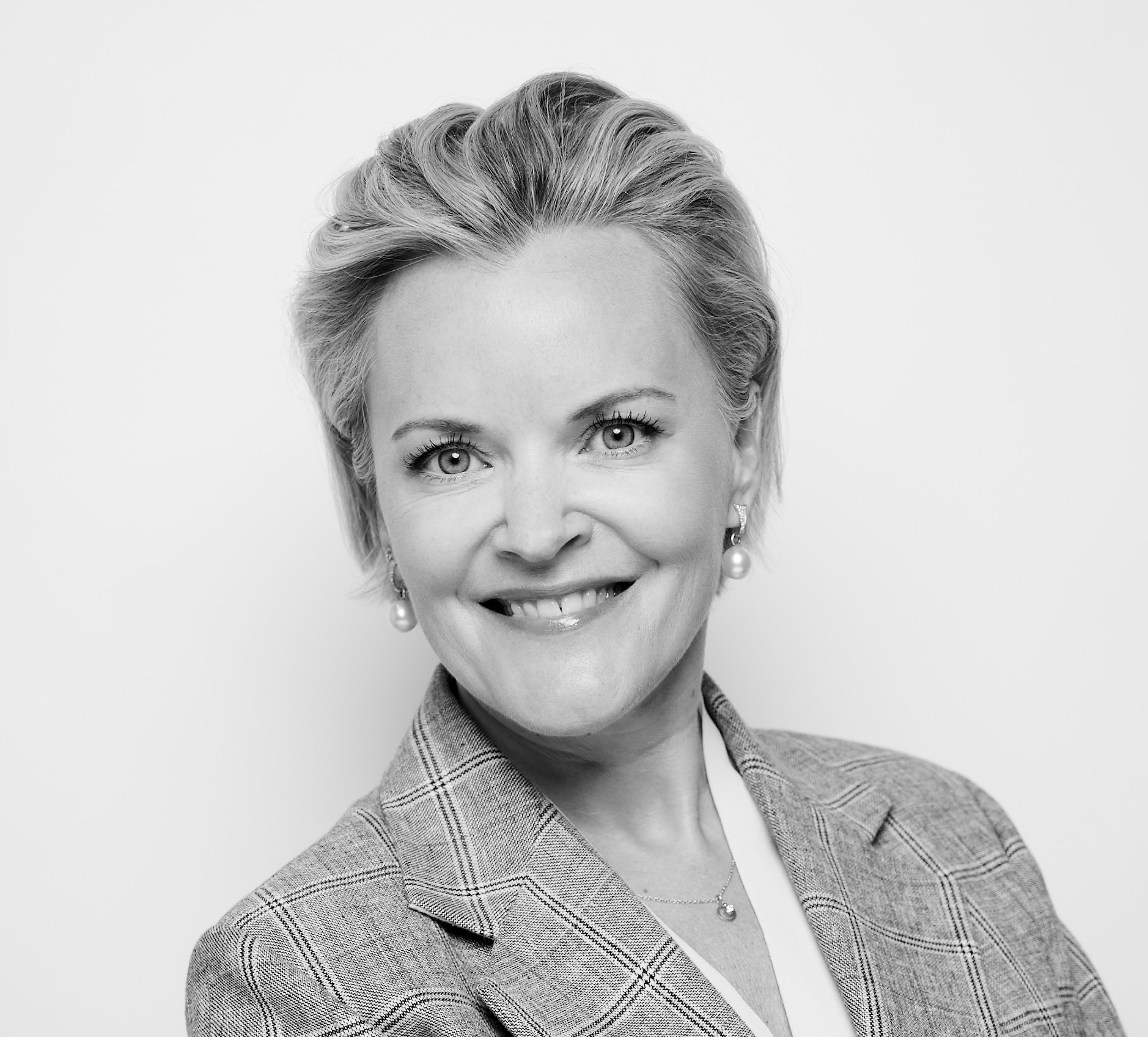
Helene Basse, Consumer Insights & Business Development Manager, The Estée Lauder Companies Nordic, on what clearly stands out in a Nordic and global context – and what is equally overstated.
What characterises Swedish beauty consumers, according to Basse, is that they are highly considered in their choices.
– They don’t just buy beauty – they evaluate it, she explains. There is a strong combination of digital savviness, ingredient awareness, and a very pragmatic mindset. You see this clearly in how consumers shop at retailers like Lyko and KICKS. They actively read reviews, compare products, and often come in already well-informed.
– In a Nordic context, Sweden tends to be the most trend-attuned and commercially dynamic market. Consumers are quicker to adopt new brands and more willing to experiment and switch compared to neighbouring markets. At the same time, they remain highly rational and value-driven — sitting in between Denmark’s stronger loyalty, Norway’s premium skew, and Finland’s more mass- and pharmacy-led approach.
– Compared to global markets, Swedish consumers are less driven by hype and more focused on what actually works in everyday life. They prefer simplified, effective routines over complexity, and expect products to deliver on both performance and value.
We tend to consider ourselves very conscious, fast to adapt to new trends, and open to new brands. Do you agree?
– I would say that is largely true, but with an important nuance, Basse argues. She continues:
– Swedish consumers are definitely fast to spot trends and new brands, and they are relatively open compared to many other markets. But they are not blindly trend-driven. They are selective in what they adopt.
– Newness only wins if it quickly proves its relevance — whether that is through strong product performance, clear positioning, social proof, or simply good value. So it’s less about chasing what is new, and more about asking: ‘Is this actually worth it for me?’
– That’s also why we tend to see relatively high brand switching. Consumers are open, but they are also quick to move on if expectations are not met.
What’s your view on Swedish beauty consumers’ view on sustainability? And, again, compared to other countries?
– Sustainability is still very important in Sweden, but the role it plays has evolved. It has become more of a baseline expectation than a true differentiator. Consumers expect brands to act responsibly, but they are less willing to pay a premium purely for sustainability claims – especially in the current economic climate.
– What I see now is a shift from intention to proof. Consumers respond much more to tangible actions like refill systems, reduced packaging, and transparency around ingredients and sourcing, rather than broad or vague messaging.
– Compared to many other markets, Sweden is still relatively advanced in terms of sustainability awareness. But expectations are also higher – and patience for unclear communication is lower.
Is the new generation of consumers, Gen Z and Gen Alpha, changing things here? What do you see among them?
– Yes, very clearly – especially with Gen Z. What they are changing is not only what people buy, but how beauty is discovered and experienced. Beauty has become much more social, more expressive, and more fluid.
– Gen Z consumers are very social-first in their behaviour. They discover products through platforms like TikTok; they value authenticity, and they are very comfortable mixing price tiers – using both affordable and premium products within the same routine.
– At the same time, I think it’s important to say that this is not just a ‘young generation’ shift. These behaviours are influencing the broader market and resetting expectations across age groups.
– Gen Alpha and Gen Beta are still early in terms of purchasing power, but they are already shaping culture and will likely accelerate this development even further. They play a big part when it comes to providing recommendations for their mothers, Millennials.
How are macroeconomic factors affecting things?
– We are definitely seeing a more price-conscious consumer in Sweden. People are more deliberate in their spending – they are comparing prices, waiting for promotions, and often buying fewer but more considered products. There is also more movement across price tiers, as I mentioned, depending on the category.
– That said, beauty remains a relatively resilient category. The ‘lipstick effect’ is still there, but it has evolved. It is no longer about impulse indulgence, but rather what I would call ‘smart indulgence.’
– Consumers still want to treat themselves, but the purchase has to feel justified. It needs to deliver on performance, experience, or emotional value.
What else can you share?
– A few things stand out to me:
– First, value has become the central driver – but value does not mean low price. It means that the product needs to clearly justify what you pay for it. This is especially important in a market like Sweden, where consumers are both informed and critical.
– Second, the path to purchase has fundamentally changed. Discovery is no longer primarily happening in-store or even on retailer websites. It is happening through content, communities, and algorithms. This has big implications for how brands need to show up and invest.
– Third, sustainability is increasingly becoming an operational question rather than just a branding question. It is about what you actually do – not just what you say.
– And finally, loyalty is more fragile than many brands assume. Consumers are open and curious, but they are also quick to switch if something better comes along. That makes consistency across product, pricing, and distribution extremely important.
Helene Basse’s extra insights: Challenging the idea that Swedish consumers are simply trend-driven
– I don’t think that is entirely accurate. I would describe them as trend-aware, but very much value-filtered. They are quick to notice what is new, but equally quick to evaluate whether it fits into their life and whether it is worth their money. And that is an important distinction. Because it means that success in Sweden is not about being the loudest or most visible brand – it is about being consistently relevant, credible, and easy to choose.