
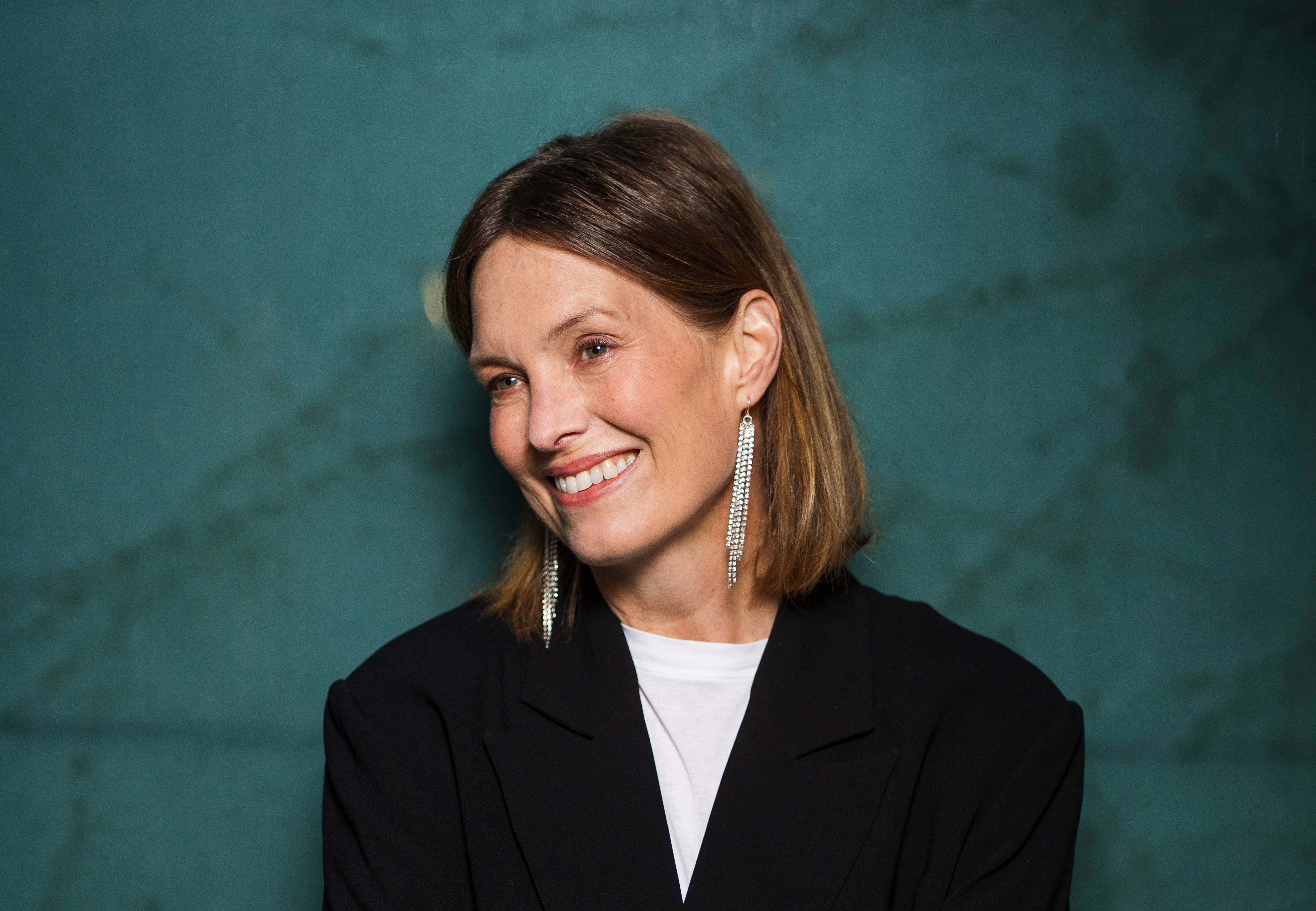
Liv Sandberg, Regional General Manager, Global Business Solutions at TikTok Central Europe & Nordics, dives into the platform’s latest consumer analysis and what is set to happen next.
Liv (pictured), you have four highlighted topics currently shaping the landscape at TikTok as well as beauty overall: Attention Crisis, Category Challengers, Personalisation Matters, and New Buying Power is Reaching for Luxury. What can you say about these?
– What ties all of these themes together is that beauty consumers today have more choice, more information, and higher expectations than ever before. The attention landscape is increasingly competitive, which means brands need to work harder to earn attention rather than simply buy it. At the same time, platforms like our have lowered the barriers to entry, allowing challenger brands to compete alongside much larger, established players.
– We’re also seeing personalisation become increasingly important. Consumers expect content, recommendations, and products to feel relevant to them and their specific interests. Finally, as TikTok’s audience continues to mature, we’re seeing growing purchasing power across different age groups, creating opportunities for beauty brands at both premium and luxury price points.
You can also share fun facts on how TikTok transcends gender, showing that more men than women purchase skincare. What can you say about it?
– Yes, one of the most interesting developments we’re seeing is that beauty is becoming increasingly universal. In TikTok’s latest Global Indie Beauty Study, conducted in partnership with research platform aytm among beauty purchasers aged 18+, 97% of male TikTok users reported purchasing skincare products in the past six months, compared to 94% of female users. Makeup remains more female-skewed, but skincare has become a much broader category that resonates across demographics.
– I think this reflects a broader cultural shift. Skincare today is often associated with wellness, self-care, and health rather than traditional beauty standards, which makes it relevant to a much wider audience.
In your special Trend Analysis, you also share what’s next, in so-called Trend Forces. What do you see there?
– Yes, Trend Forces are particularly interesting because they extend far beyond TikTok. They reflect long-term shifts in consumer behaviour and culture that are visible both on and off the platform. Some of the strongest forces we see shaping beauty today include trust and transparency, community-first culture, the growing influence of creators, conscious consumption, and radical authenticity.
– Consumers increasingly want to understand what they’re buying, who they’re buying from and whether a brand’s values align with their own. At the same time, communities have become incredibly influential, often shaping product discovery, consideration, and advocacy more than traditional advertising.

It’s gotta be so challenging for beauty brands to respond to new TikTok trends every week, given how new product development is 6-18 months. What’s your view on this?
– Absolutely. It would be impossible to launch products and jump on every trend that a brand comes across. Instead, the most successful brands tend to look beyond individual trends and focus on the consumer needs driving them, as well as engage in the type of communities that are relevant to their brand, Sandberg shares. She continues:
– Trends may come and go, but they often reveal deeper shifts in behaviour, preferences and expectations. TikTok gives brands a unique opportunity to observe those signals in real time. The goal isn’t necessarily to react to every trend, but to understand what consumers are telling you through those trends and use that insight to inform long-term innovation.
TikTok Shop just became the 4th biggest beauty retailer in the US. Any news on when it’s being rolled out in the Nordics? And some local brands, like IsaDora, are available on TikTok Shop via other countries. Do you encourage more local beauty brands to join with the help of such special arrangements in other markets?
– What we can say is that beauty continues to be one of the strongest categories on TikTok Shop globally. We’ve seen consumers respond positively to discovery-led commerce experiences where content, community, and shopping come together in a seamless way. More broadly, we continue to see beauty brands experimenting with different ways of reaching consumers across markets and channels, and it will be exciting to see how social commerce continues to evolve.
The takeaway: The one thing to highlight, by Liv Sandberg
– Beauty is becoming increasingly community-driven. Consumers today expect more than great products. They want transparency, authenticity, and a sense of participation. They want brands to listen, respond, and engage in ongoing conversations rather than simply communicate with them. The brands that succeed will likely be those that combine strong product innovation with a deep understanding of culture and community. In many ways, beauty is no longer just about products; it’s about building relationships and earning trust over time.