
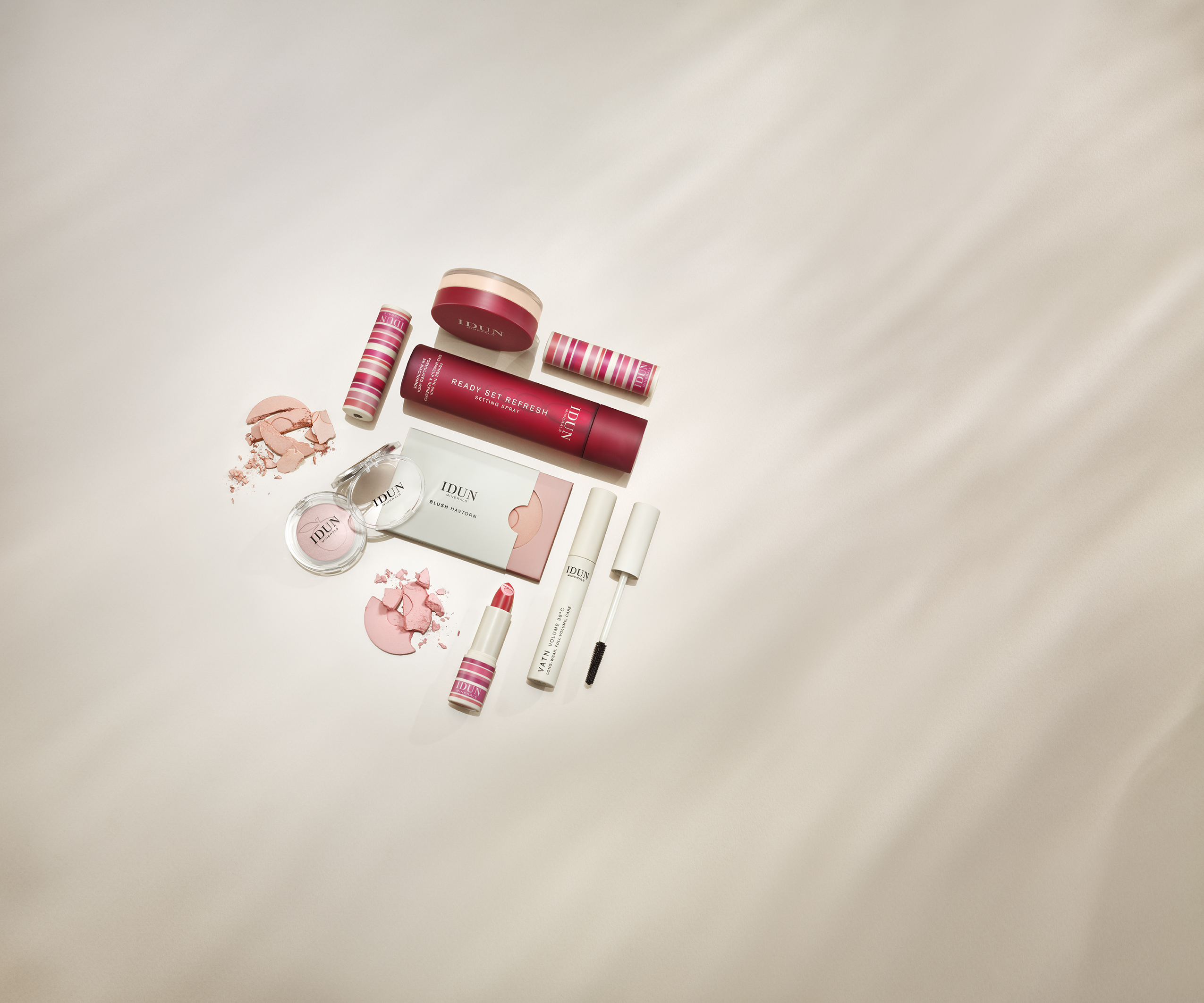
A great way to improve internal collaboration, prepare for upcoming EU regulations, and move forward in the sustainability work in a more structured way, Idun Minerals’ Sustainability Manager Anna Agardh shares.
Anna Agardh, tell us about your Sustainability Report.
– Over the past few years, we’ve worked on a lot of sustainability initiatives, and we felt it was time to bring everything together in one place. This report was a way for us to reflect on our progress, set new goals, and share our journey with others in the industry. Hopefully, it can also inspire others to take action. Even though we’re not required to publish a sustainability report—yet—we wanted to follow frameworks like CSRD (Corporate Sustainability Reporting Directive), ESRS (European Sustainability Reporting Standards), and the GHG (Greenhouse Gas Protocol) Protocol to ensure transparency and credibility.
What are the key takeaways?
– We had set a number of goals for 2025—some we’ve achieved, others needed adjusting. With this report, we reviewed our priorities through a double materiality analysis and set new sustainability targets. Going forward, we’ll be focusing even more on supply chain transparency and audits. The cosmetics industry is complicated, and to really make a difference, we need to go beyond just our tier-one suppliers. Another big goal is to use 100% recycled or renewable materials by 2030. For purchased packaging materials in 2024, 26% were recycled plastic and 15% were renewable materials.
I assume it can be costly to create a sustainability report, but would you still recommend other brands to do it?
– Yes, it can be expensive, depending on how extensive you want the report to be, and especially for a smaller brand like ours. Luckily, we received financial support from Region Stockholm (the regional public body responsible for healthcare, public transport, and regional planning, Ed’s note) and EU funds, which helped a lot. But even without that, I’d still recommend it. Whether you’re just getting started or already deep into your sustainability work, the process of creating a report gives you a clearer picture of your biggest impacts, challenges, and opportunities. It’s a great tool to help you move forward in a more structured way.
What are you most proud of in the report?
– The collaboration that went into it—both within our team and with our climate consultants from U&We. I believe we have managed to create a report that’s not just comprehensive but also engaging and fun to read. Sustainability can be a complex topic, and at times, a bit dry, so making it accessible to everyone was important to us. And, it’s not a competition—it’s something we all need to work on together. That’s why we want to be as open as possible, sharing both our successes and challenges so others can learn from them. It’s an ongoing journey, and no one has all the answers. The more we collaborate and share insights, the faster we can create real change.
You mentioned the value chain as a main priority, what else will you focus on moving forward?
– One key area we want to investigate further is mica, which we use in many of our products. Even though all our suppliers are members of the Mica Responsible Initiative, it’s still a debated ingredient. We want to thoroughly explore the entire sourcing process and make sure we’re obtaining it as responsibly as possible.

How closely do you monitor existing and upcoming EU sustainability regulations?
– As closely as we can, and try to adapt whenever possible. This report was actually a great way for us to prepare for what’s coming and to stay ahead of the curve, Agardh shares. She continues:
– We’re noticing more and more brands prioritising sustainability, which is amazing to see. EU regulations are definitely pushing the industry in the right direction, but it’s also interesting to see the different paths brands are taking. Sustainability is complex, and it’s difficult to define the ‘right’ approach—whether it’s focusing on refills, organic ingredients, or other initiatives. While regulations set important standards, brands need to find out what works best for them. However, what I believe really matters is being transparent and humble about the journey, and I think more brands are starting to realise that.
What are the recent developments in your sustainability work?
– One initiative that is less visible externally is how we are optimising our packaging logistics, Agardh shares. We increased our store pack from 3 to 24 units, which reduces our carton usage by almost 60%. Initially, we expected some hesitation from our customers, but they were actually pleased with the change since it makes their e-commerce operations much smoother. Even though this kind of change isn’t the most visible, we strongly encourage other brands to consider it as well.

Read the full report here