
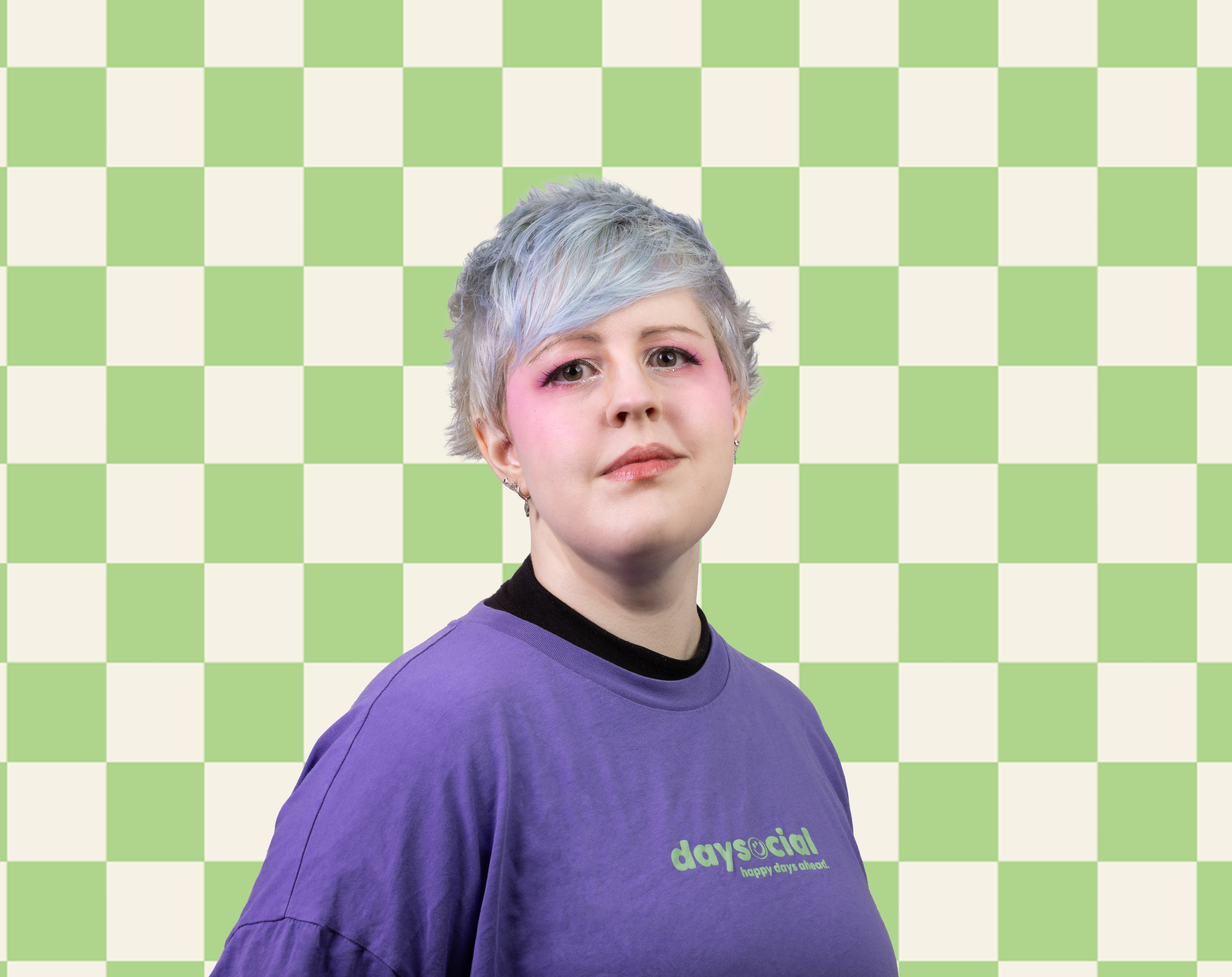
Mintoiro’s Jennifer Carlsson shares the brands to watch, the current and coming buzzwords to keep track of, and why the modern consumers’ “decision paralysis” calls for essential minimalism.
Carlsson is the founder and owner of Mintoiro, doing competitive market research, brand identity, and packaging design projects within beauty. She also presents trend reports and is currently finalising four trend forecast reports for 2026 for skincare, makeup, hair care, and fragrance.
– I have my own database with over 20,000 beauty brands, and I’m constantly adding new things to it. I track all kinds of data points, from the aesthetic design of the brand to who’s the founder, how long it’s been around, average price point, product ranges, and its retailers. I also track brands’ performance on social media. A lot of people know me from my top lists of trending skincare brands on social media that I post monthly on LinkedIn—and the full list is also available on my website—which I’ve been posting every month for several years, she says.

How do you find who’s trending?
– I look at both Instagram and TikTok, and the ranking is based on followers’ engagement and growth over time. I try to capture which brands are gaining traction so that they’re gaining followers while they also still have a high engagement rate and keeping consistent with that. It wouldn’t be very interesting to do a monthly top list of who has the most followers because it doesn’t change.
– The top lists are completely data driven. In some ways, I find this more interesting rather than looking at revenue and who sells the most because that often comes down to who has the best distribution. Some brands own the retailers, or are really big corporate brands and sell a lot because they’re everywhere and have a lot of money for marketing. That doesn’t necessarily translate to what consumers are interested in or looking for, which is why I find it interesting to look at the social media numbers.
– When I do trend research, I combine my expertise with using the data. I look at a lot of different factors, such as which brands are people talking about and have a positive response to. Which brands are carried by a lot of retailers? And which ones are staying in those retailers? A lot of brands get picked up and then dropped pretty soon. You can start to see patterns of what type of things people are interested in and which type of things that fall short.
For 2026, Carlsson highlights four beauty macro trends: Holistic Self-care, Essential Minimalism, Science-Driven Efficacy, and Affordable Fun.
– Holistic Selfcare is a lot about sensorial products, the home spa feel, a lot of bright colours, and fun, she explains. It’s about turning beauty more into self-care, overall wellness, and feeling good rather than making yourself pretty for someone else or to fit certain standards. We see a lot of positive messaging, many brands offer a lot of fragrance options, which is working well for a lot of really popular brands. Look at Sol de Janeiro’s iconic caramelish scents, very gourmand, and there’s touchland which do a really fun, modern take on hand sanitizers. I’ve been a fan of Sundae since the start, and they just recently started being distributed here in Scandinavia. They have body washes that are just like whipped cream. They’re super fun, and they smell really good with nice, complex fragrances to them and a lot of gourmands, which is quite popular now.
– For the second trend, Essential Minimalism, one key brand is rhode. For my annual ranking that I’ve done, looking at brands’ performance on social media for a whole year, they’re #1 on both TikTok and Instagram now. Also, look at Summer Fridays, Korean brand Abib, and Dieux, which are doing quite well on TikTok. There’s currently a lot of overwhelm and decision paralysis, because there’s just so many products out there, and people just don’t have the mental bandwidth to know what they’re supposed to use. This trend is more about more concise and curated product lines. People want something more simple—no 10-step routines anymore, but fewer really good products that work. Many consumers are willing to invest a bit more in these really good products rather than buying a ton of them.
The third trend is Science-Driven Efficacy. What can you say about it?
– The key ingredients are front and centre on the packaging. It’s very much about results-driven, clinically-proven, and science-backed ingredients by derm-backed or doctor-founded brands. It’s all about science and scientific communication, focusing on how to address different skin issues. This has been a big trend over the last years and is definitely continuing to grow, Carlsson shares. She continues:
– The fourth trend is Affordable Fun. There are three key brands that are also doing really well on social media: Bubble, Byoma, and Starface. There’s also a newly launched brand called Daise by the same company that’s also created Monday Hair Care and lots of other brands. The brand launched end of 2024, right into Ulta in the US, and are already in Target and other huge retailers, and are also going into Canada and the UK really soon. It’s very fragrance-forward—each of the body mists, fragrance mists, full body deodorants, lip balms, and body scrubs come in six different fragrances. The design is cool and on trend, and all the products are under $7.50, so they are very affordable. It’s hard to get that cool-looking products that are high quality and with a cool branding in that price point—and still be able to make money from it.
This trend is targeting Gen Z, and also Generation Alpha.
– Yes, definitely the younger consumers, and the key for this trend is to be affordable and accessible. A lot of the brands you can see here are widely available in retailers like Walmart, Target, and other places that people can easily access. The price points are very accessible, and it’s very often quite gentle products so it won’t irritate the skin of younger people. The packaging is bold and colorful and fun. The messaging tends to be very inclusive. It’s a really fun category—I like a lot of the brands in this category and use them myself. I think it’s good to remember that you can target a specific audience, but it doesn’t mean that people outside of that are not gonna buy the products. There are a lot of people of all ages that really like Bubble, Byoma, and Starface.

If you were to share one takeaway from your trend reports, what’s the most important thing for 2026?
– The thing to look at with trends and the thing that stays longer are the inherent ones that the consumer needs or wants, and that are fulfilling for them. If consumers are looking for something sensorial, self-care, or that will make them feel good, that need can be satisfied in different ways. So, instead of directly copying other brands’ products, look for different ways to satisfy those needs for consumers. That’s the way to be ahead of trends rather than just following them. You have to know what the trend is and the things that are already happening to be able to do something different. Otherwise, you’re going around, thinking you’re doing something completely new, not knowing that it’s really not, Carlsson shares.
And how to keep track of that is the million dollar question.
– Yes, for sure.